Disclaimer: This post is for educational and informational purposes only and does not provide financial advice or investment guidance.
Introduction
The effectiveness of an HR platform largely depends on how information is structured and presented to users. Interface design and information architecture determine whether users can locate records efficiently, understand relationships between data elements, and perform routine tasks with clarity. This educational article explores how navigation and layout are typically organized in HR platforms, using bamboo as a neutral reference for commonly observed interface patterns.
Information Architecture in HR Systems
Information architecture refers to the way data is grouped, labeled, and connected within a digital system. In HR platforms, this structure must support long-term consistency while remaining intuitive for users with different roles. Platforms such as bamboohr are often cited in educational contexts because they reflect a modular approach to organizing people-related information.
At a foundational level, HR systems separate core records from supporting resources. Employee profiles, organizational charts, and internal documents are usually placed within clearly defined sections. This separation helps prevent information overload and ensures that critical data remains accessible without unnecessary complexity.
Dashboard-Centered Navigation Models
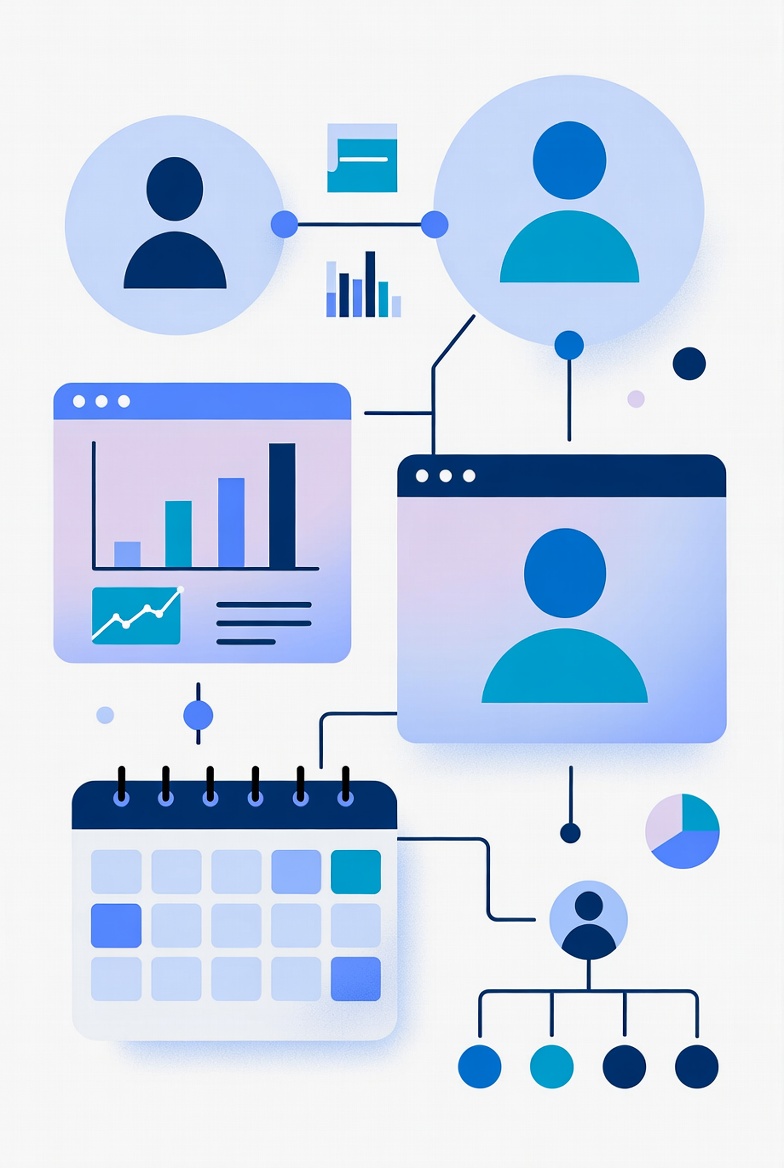
Most HR platforms rely on a dashboard as the primary navigation hub. The dashboard provides a summarized view of relevant information while linking to more detailed sections. Educational reviews of hr bamboo–style interfaces often emphasize the role of dashboards in reducing navigation friction.
Dashboards typically display contextual elements such as recent updates, organizational snapshots, or system notices. Rather than functioning as task lists, these views act as orientation points, helping users understand where they are within the system and what information is available.
Menu Structures and Section Grouping
Menu design plays a critical role in shaping user experience. HR platforms generally use vertical or horizontal menus that group content by function rather than by user activity. For example, employee records, organizational data, and internal resources are placed in separate sections.
In bamboohr-like systems, menu labels tend to be descriptive and neutral, avoiding ambiguous terminology. This approach supports consistency and allows users to predict where information is located. Educational analysis shows that predictable menu structures reduce training requirements and improve overall usability.
Visual Hierarchy and Readability
Visual hierarchy helps users interpret information quickly. HR platforms typically employ restrained visual styles, using spacing, typography, and alignment to guide attention. Bamboo-inspired interfaces often rely on neutral color palettes and clear typographic contrast to maintain readability across different screen sizes.
Rather than emphasizing decorative elements, these platforms prioritize clarity. Educational discussions of interface design highlight how minimalism supports accuracy, especially when users interact with structured data over extended periods.
Comparing HR Interfaces With Other Digital Platforms
When compared to general digital platforms, HR systems exhibit a more conservative design philosophy. Unlike content-driven or social platforms, HR systems focus on precision and consistency. This distinction is often highlighted in educational comparisons involving bamboo-style platforms and other enterprise tools.
Such comparisons demonstrate that HR interfaces are shaped by the need for reliable data access rather than engagement metrics. Understanding this difference helps explain why HR platforms may appear simpler but offer deeper structural logic beneath the surface.
Conclusion
Navigation and information architecture form the backbone of effective HR platforms. By examining common interface patterns found in systems such as bamboohr, it becomes easier to understand how dashboards, menus, and visual hierarchy support organized information access. This educational overview emphasizes shared design principles rather than specific implementations, providing a neutral perspective on HR platform usability.
Disclaimer: This post is for educational and informational purposes only and does not provide financial advice or investment guidance.